Should You Offer an Abandoned Cart Discount Code? How to Work It Out
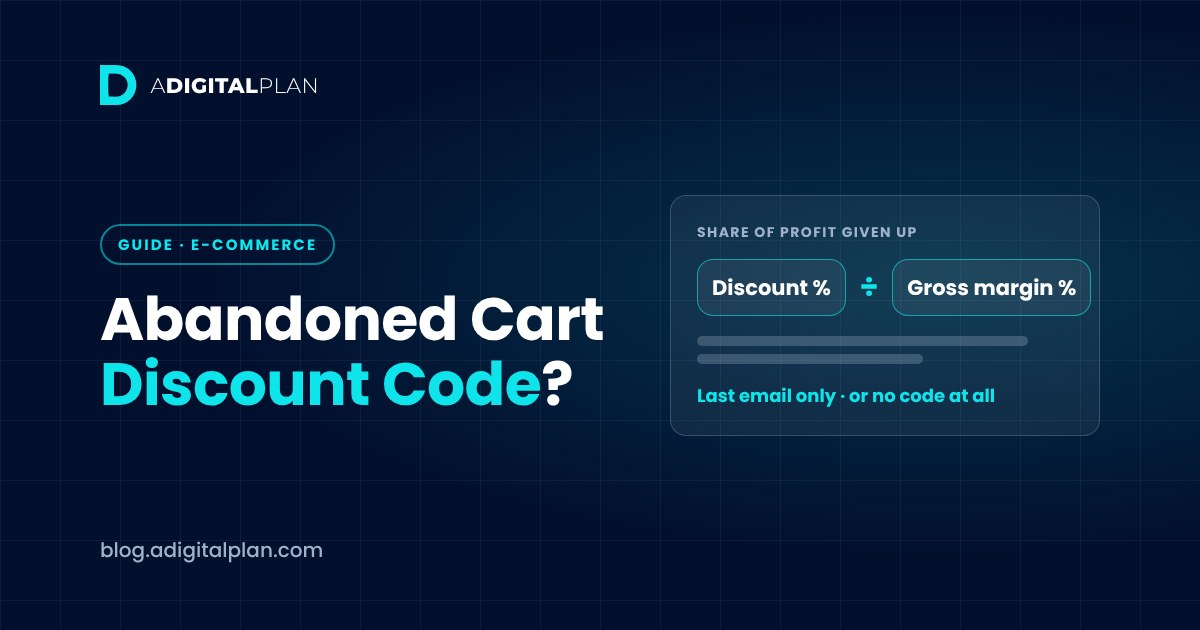
You don’t have to offer an abandoned cart discount code, and you should never put one in the first email. If you offer one at all, put it in the last message of the flow, and only after one sum tells you what it costs: share of profit given up = discount % ÷ gross margin %. At a 40% margin, 10% off gives up a quarter of the profit on the order.
This guide is for online store owners, from beginner to expert, who are deciding whether to discount their cart recovery emails. It covers the sum, where a code belongs in the flow, and what to try before you give any profit away.
Want to run the sum on your own store? The free course on recovering abandoned carts works through the discount decision step by step, alongside the emails and SMS around it.
Start the free course →Why a discount in the first email costs you
A buyer who reached the checkout page was close to a purchase decision. Some were only distracted. Remind them and they finish the order at full price.
Put a coupon code in the first email and you pay every one of those buyers to do what they were about to do anyway. Worse, repeat customers learn the pattern. If leaving a cart reliably produces a code, the sensible move is to leave the cart and wait. Over time, you train your best buyers to never pay full price.
That’s why the course has a firm rule: no discount in the first reminder, and the last email is the only message that may carry an incentive.
The discount sum
Before you offer anything, work out how much of the profit on the order you’d give away:
Share of profit given up = discount % ÷ gross margin %
Gross margin is the share of the selling price left after the cost of the goods. You’ll need your own figure for this. If you don’t know it, find it before you decide on any discount.
Here’s the sum at a few common combinations:
| Gross margin | 5% off | 10% off | 15% off | 20% off |
|---|---|---|---|---|
| 30% | 17% of profit | 33% of profit | 50% of profit | 67% of profit |
| 40% | 13% of profit | 25% of profit | 38% of profit | 50% of profit |
| 50% | 10% of profit | 20% of profit | 30% of profit | 40% of profit |
| 60% | 8% of profit | 17% of profit | 25% of profit | 33% of profit |
The lower your margin, the more each point of discount hurts. At a 30% margin, 15% off gives away half the profit on the order.
A worked example
This is illustrative arithmetic, not a real store. Say an order is $80 and your gross margin is 40%. The profit on that order is $32. Offer 10% off and the buyer saves $8, which is a quarter of your $32. You’d keep $24.
Now ask the real question: would this buyer have ordered anyway after a plain reminder? If yes, the code cost you $8 for nothing. If no, you gained $24 you’d otherwise have lost. The discount only pays if it wins orders the reminders didn’t.
What about free shipping?
An incentive doesn’t have to be a percentage. Free shipping, or a fixed amount off, are incentives too. Run them through the same thinking: how much of the profit on a typical order does the offer cost? Shipping fees you absorb come straight out of that profit, just like a discount.
Where a code belongs in the flow
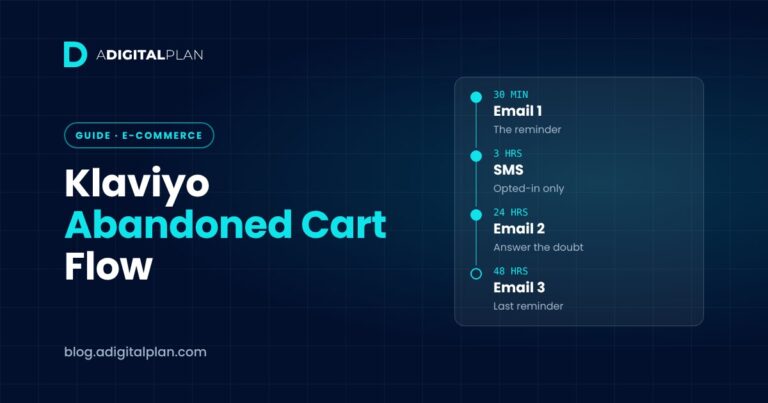
The course flow sends three emails and one SMS. Times count from when the checkout was abandoned:
- 30 minutes, Email 1: the reminder. The item, a photo, the cart link, your delivery and returns terms. No discount.
- 3 hours, SMS: only to people who ticked the separate SMS marketing box. No discount.
- 24 hours, Email 2: the answer to the buyer’s top question or worry, with 2 or 3 real reviews quoted word for word. No discount.
- 48 hours, Email 3: the last reminder, and the only message that may carry an incentive.
By the time Email 3 goes out, the distracted buyers have come back and the worried ones have had their question answered. The people left are the ones a code might actually move. That’s the only group worth paying.
Setting up the code
A few ways to keep a code from leaking profit:
- Use unique, single-use codes if your platform can generate them, so one code can’t be shared around. Check your platform’s help docs.
- Consider who gets it. Repeat customers are the ones most likely to learn the pattern, so some stores test a code only on new customers. Only do this if your platform can split the flow that way.
- Test against no code. Run the flow without a code first, so you have something to compare with.
For the full build in one platform, see this guide to setting up a Klaviyo abandoned cart flow.
What to try before a discount
Not every abandoned cart is about price. To find the underlying causes, the course sorts real customer questions and reviews into six reasons buyers leave:
- Cost or delivery surprise: the shipping fees or other fees appeared late at checkout.
- Comparing: they’re checking another store.
- Not ready yet: they meant to come back.
- Distraction: something else came up.
- Trust: they weren’t sure about you, the product or the returns.
- Effort: checkout felt like too much work, such as being asked to create an account.
Only some of these are price problems. A discount does nothing for a trust worry that a clear returns policy and real reviews would answer. Fix the reason first:
- For a delivery surprise, state your delivery costs and any free shipping threshold in Email 1, so there’s no surprise left.
- For trust, answer the worry in Email 2 from your policy, and add social proof: 2 or 3 real reviews quoted word for word. Never edit, combine or write reviews.
- For distraction, the 30-minute reminder and the cart link usually do the job.
- For effort, look at the checkout experience itself. A guest checkout option or fewer steps does more than any code, because no email fixes a checkout that’s hard to finish.
My own rule is simple: don’t discount if you have low gross margins, because it kills your profit. Instead, create a package for the customer, so they know they’ve bought everything they need in one go. A bundle gives the buyer a reason to finish the order without you giving away margin.
Reduce cart abandonment before anyone needs a code
The cheapest discount is the one you never have to send. Many shoppers abandon for reasons in the store itself, so fixing the online shopping experience lowers your cart abandonment rate before any email goes out. Check these on your own store:
- No late surprises. Show shipping options, delivery costs and any additional fees on product pages and in the cart, not only at the final step. A free shipping threshold shown early does the same job as offering free shipping late, without the surprise.
- A guest checkout option. Account creation requirements put off first-time buyers. Let them create an account after the order, if at all.
- Fewer steps. A long or complicated checkout process is one of the reasons the course lists as effort. Cut fields you don’t need and add progress indicators so buyers can see how much is left.
- Familiar payment options. Offering wallets such as Apple Pay or Google Pay, if your platform supports them, means buyers don’t have to type payment details on a phone.
- Visible trust signals. An SSL certificate (the padlock in the browser), clear returns terms and real reviews answer security concerns about entering sensitive information. Only show security badges for services you actually use.
- Site speed and errors. Slow pages and website errors at checkout lose buyers who were ready to pay. Test your own checkout on a phone every month.
- Product details. High-quality product images, sizes and delivery times answer questions before the buyer has to leave to find them.
Use your own customer data to decide which fix comes first. The questions people ask and the reviews they leave tell you where the buying process breaks, which is the same research the course uses to write Email 2.
Discounts in the wider customer journey
Cart recovery isn’t the only place you’re offering promotions. If your marketing campaigns and email campaigns already run limited-time discounts most weeks, shoppers have less reason to finish an order at full price, whatever your cart emails say.
Keep the rules consistent across the customer journey: decide when your store discounts, how deep and for whom, then make your cart flow follow the same rules. Retargeting strategies such as ads to cart abandoners count too. If an ad promises a code the email doesn’t mention, you’ve created a new reason for shoppers to leave.
What a good abandoned cart email looks like
A good abandoned cart email does one job and says only what your policy says. In the course flow:
- The reminder is short, shows what they left and links straight back to the cart.
- The answer names the top worry in the subject line and answers it plainly.
- The last reminder is brief and polite. If it carries a code, the code is one the sum says you can afford.
Every message stops the moment the person orders. Nobody should get a discount email after they’ve paid full price, so set your exit rules before you add any code.
Abandoned cart strategies that protect profit
Pulling it together, the strategies that keep cart recovery profitable are simple:
- Find why buyers leave from your own customer questions and reviews, not from guesses.
- Remind first, without a discount.
- Answer the top doubt in its own email.
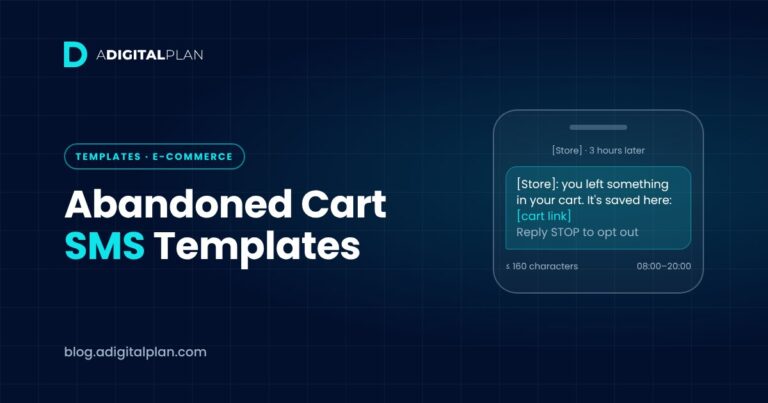
- Text only people who ticked the SMS box, with your store name, the cart link and “Reply STOP to opt out”. These abandoned cart SMS templates show the format.
- Hold any incentive for the last email, sized with the discount sum.
- Stop at the order, send no more than one email a day per person across flows and campaigns, and remove anyone who unsubscribes or replies STOP at once.
- Measure monthly: checkouts entering the flow, recovered orders, revenue from the flow, unsubscribes and spam complaints. Opens aren’t a success measure.
If you add a discount, compare recovered orders and revenue from the flow before and after. A code that raises recovered orders but lowers revenue from the flow is costing you.
Frequently asked questions
Should I put a discount code in my abandoned cart email?
Not in the first one. If you use a discount at all, put it in the last email of the flow, and only after the discount sum shows what it costs you.
How much discount should I offer for an abandoned cart?
There’s no right number for every store. Work it out from your margin: discount % ÷ gross margin % is the share of profit you give up. At a 40% margin, 10% off gives up a quarter of the profit.
Do I have to offer a discount at all?
No. Carts are left for plenty of reasons a discount doesn’t fix, such as distraction, a delivery surprise or a trust worry. Answer those first.
Does a discount train customers to abandon carts?
It can. If leaving a cart reliably produces a code, repeat customers learn to wait for it. Keeping the code out of the first email and holding it for the last one limits this.
Is free shipping better than a discount code?
It depends on what it costs you. Treat it like any other incentive and work out how much of the profit on a typical order it gives away.
Work out your discount with the free course
The free Recover Your Abandoned Carts course builds one complete flow for your store: three emails, one SMS, the discount sum, and the consent and exit rules. It takes about 51 minutes across three lessons and a live workshop, and includes six Claude prompts to write each message from your own policy, questions and reviews. Have your gross margin ready before you start.